
The Legend and Lore of Beatrice’s Resting Place
Few places in Florence stir the imagination like the tiny church of Santa Margherita de’ Cerchi, long associated with Beatrice Portinari, the woman tradition holds as Dante Alighieri’s muse. For centuries, visitors have come seeking the quiet corner where love, literature, and Florentine memory intertwine.
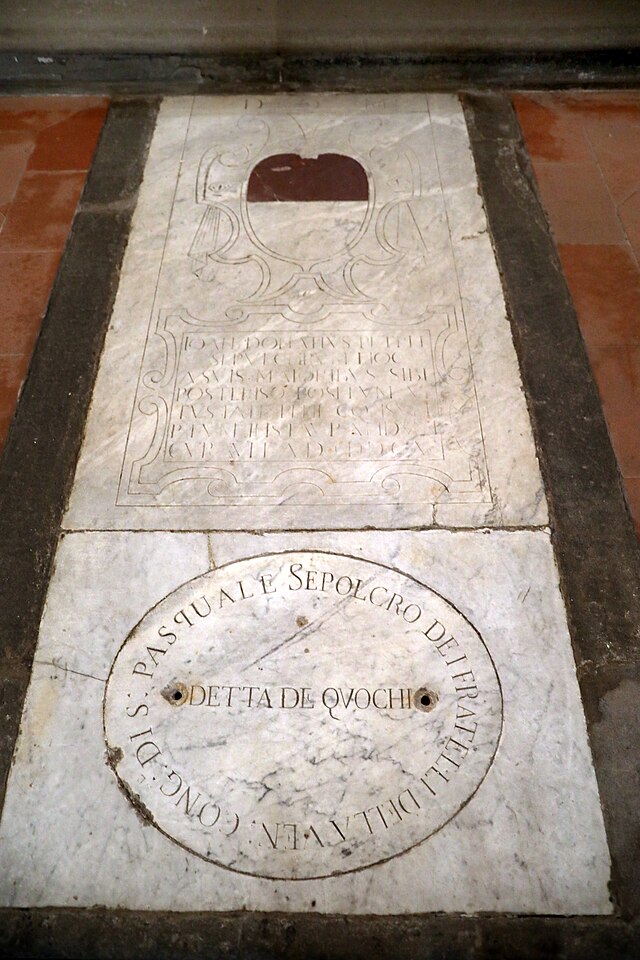
Inside the dim stone interior, a modest tomb attributed to the Portinari family has become a symbolic shrine. Travelers slip handwritten notes into a basket beside it—pleas for guidance in love, tributes to Dante’s devotion, or simple messages of gratitude. Whether Beatrice truly rests here or not, the ritual has become part of the church’s living folklore, a testament to the enduring power of La Divina Commedia and the woman who inspired its most luminous passages.
A Glimpse into the History
Beatrice Portinari died in 1290, a young noblewoman from a respected Florentine family. Contemporary records about her life are scarce, and the connection between her and Dante comes largely from later accounts, especially those of Giovanni Boccaccio, who helped cement the tradition that she was the Beatrice of Dante’s writings.
The church itself dates to the 13th century, serving both the Cerchi and Portinari families—two names woven deeply into Florence’s medieval political and social fabric. While historians debate the certainty of Beatrice’s burial here, Santa Margherita de’ Cerchi remains the most widely accepted and culturally resonant site. Its significance lies not only in historical probability but in the centuries of devotion, storytelling, and literary pilgrimage that have gathered around it.
Museo Casa di Dante
Minutes away from the church, tucked into the narrow medieval streets of Dante’s old neighborhood, the Museo Casa di Dante offers an atmospheric glimpse into the Florence he knew—stone towers, guild life, and the charged world of rival families. The rooms evoke the texture of the city that shaped him, layering artifacts, maps, and reconstructed spaces into a quiet narrative of his early years. It’s a brief stop, but it deepens the sense of place that runs through Florence’s Dante sites, grounding the legend in the lived city.