Viterbo, Italy

Exploring the Historic Charm of Viterbo, Italy

Nestled in the Lazio region, Viterbo is a hidden gem brimming with medieval charm, thermal baths, and rich history. Whether you’re visiting for a day or planning a longer stay, this enchanting town offers a perfect blend of culture, relaxation, and exploration.

Getting to Viterbo

Viterbo is easily accessible from Rome by train (roughly 1.5–2 hours) or by car. The scenic route through the countryside makes the journey just as enjoyable as the destination.

Whether you’re exploring the medieval heart of the city, indulging in local delicacies, or soaking in the hot springs, Viterbo promises an unforgettable experience.

What to See in Viterbo

  • Palazzo dei Papi – A stunning medieval palace that once housed popes during the 13th century.
  • San Pellegrino District – Wander through the well-preserved medieval streets lined with charming stone houses.
  • Fontana Grande – One of the city’s oldest and most impressive fountains.
  • Terme dei Papi – Relax in the natural hot springs, perfect for unwinding after a day of sightseeing.
  • More Information

Local Delights & Culinary Experiences

Viterbo is known for its hearty Italian cuisine. Be sure to try:

  • Acquacotta – A traditional Tuscan soup made with vegetables, bread, and olive oil, originally created as a simple meal for shepherds.
  • Pici Pasta – Thick, hand-rolled pasta often served with a rich tomato-based sauce or wild boar ragù.
  • Viterbo Porchetta – Slow-roasted pork seasoned with garlic, rosemary, and fennel, typically served in a crusty roll.
  • Anguilla alla Bisentina – A flavorful eel dish cooked with tomatoes, garlic, and hot peppers, originating from Lake Bolsena.
  • Sbroscia – A rustic fish soup made with local lake fish, potatoes, onions, and mint, traditionally prepared by fishermen.
  • Coda in Padella – A hearty dish featuring pork tails and ears sautéed with potatoes, fennel, and garlic.
  • Biscotto di Sant’Antonio – A sweet, braided bread traditionally baked in January to honor Saint Anthony.

These dishes showcase the authentic flavors of Viterbo and its surrounding region. If you’re visiting, be sure to explore local trattorias and markets for the best experience!

Amalfi Heaven Gardens

🍕Call or email me to book your culinary adventure!

⭐️ NEW: Hands-On Pizza Making Class (3 hours)

Master the art of Italian pizza-making with this hands-on experience, starting with a visit to traditional terraced gardens to explore fresh local ingredients. Under the guidance of an expert pizzaiolo, learn the secrets of perfect dough, how to stretch it by hand, and craft traditional Neapolitan-style pizza. Bake it to perfection in a wood-fired oven, then sit down to enjoy your homemade pizza with a stunning sea view.


OVERVIEW

Duration 3 hours
Start time 12:30 pm , 4:30 pm
Dates Mar – Oct
Meeting point Amalfi Heaven Gardens (check Location page for more info)

DISCOUNTED RATES

̶ ̶€̶ ̶6̶9̶   € 59 per person

Discounted rates are valid for guests booking in advance only. Guests without a reservation will pay the full price.


INCLUSIONS

– English/Italian-speaking local guides and expert pizzaiolo
– Guided tour of the traditional terraced gardens (lemon grove and vegetable garden)
– Fresh ingredient harvesting from the vegetable garden
– Hands-on pizza-making class (step-by-step guidance from our expert pizzaiolo)
– Pizza meal (enjoy the pizzas you create during the class)
– Beverages (water, local wine, Amalfi Coast Limoncello, Neapolitan coffee)
– Original pizza recipe
– Cooking diploma (for your hard work!)

CLASS DESCRIPTION

Your adventure begins with a visit to our beautiful terraced gardens, where you’ll explore the lemon grove and vegetable garden, learning about the sustainable farming practices of the Amalfi Coast that help preserve the region’s unique environment and cuisine.

Afterward, you’ll hand-pick fresh seasonal vegetables and fragrant herbs from the garden, which you’ll later use to craft your pizza. The pizza-making takes place right in the heart of the gardens, with a stunning sea view surrounding you. Under the expert guidance of our pizzaiolo, you’ll make your dough from scratch, learning the secrets to creating the perfect base. You’ll stretch the dough by hand and create your own traditional Neapolitan-style pizza. During the class, you’ll also have the chance to taste other delicious pizzas made by the pizzaiolo.

Once your pizza is ready, it’s time to bake it to perfection in our wood-fired oven, located just nearby. Finally, you’ll sit down in the gardens to enjoy your homemade pizza, complemented by local wine, Limoncello, and Neapolitan coffee—all while soaking in the breathtaking sea view.

Come hungry because by the end of the class, you’ll be full from all the tasty pizzas! This hands-on experience not only teaches you the craft of pizza-making but also connects you with the local culture, sustainable practices, and the stunning beauty of the Amalfi Coast.


WHAT TO BRING

– Comfortable shoes
– Sun screen
– Sun hat
– Your best smile!


IMPORTANT NOTES

– Vegetarian, vegan, and dairy-free options are available. Unfortunately, other dietary restrictions cannot be accommodated (e.g., gluten intolerance).
– Guests must advise at time of booking for any food allergies.
– This activity is designed as a group experience. For private classes, please contact us directly.
– Due to some stairs and uneven, steep surfaces, this activity is not suitable for individuals with walking difficulties or those using a wheelchair.


Hands-on Cooking Class (4 hours)


Learn your way around an Italian kitchen during this farm-to-table experience, including a terraced gardens visit and cooking class, topped off with a 4-course meal. Harvest fresh ingredients from the vegetable garden and create Italian local dishes such as bruschetta, pasta, and stuffed zucchini flowers. Then sit down to enjoy the fruits of your labor, complemented by local wine.


OVERVIEW

Duration 4 hours
Start time 9:30 am , 10:00 am , 2:30 pm , 3:00 pm
Dates Mar – Oct
Meeting point Amalfi Heaven Gardens (check Location page for more info)

DISCOUNTED RATES

Low season (March – April, October)
1-3 people € 139 per person
4-6 people € 135 per person
7+ people € 129 per person

High season (May – September)

1-3 people € 149 per person
4-6 people € 145 per person
7+ people € 139 per person

Discounted rates are valid for guests booking in advance only. Guests without a reservation will pay the full price.


INCLUSIONS

– English / Italian speaking local guides and chefs
– Guided visit of the gardens (olive grove, lemon grove, vegetable garden, vineyard)
– Fresh ingredients picking from the vegetable garden
– Hands-on cooking class (guided step-by-step by our chefs)
– Four-course meal (with the dishes made during the class and other delicacies – see Menu below)
– Beverages (water, local wine, Amalfi Coast Limoncello, Neapolitan coffee)
– Recipes (sent by email after the class)
– Cooking diploma (for your hard work!)

MENU

Because we only use fresh, seasonal ingredients from our vegetable gardens and local suppliers and farms, the cooking class menu will vary according to the season and the availability of the products on the day of the class. This is a short list of some local specialties that you are likely to prepare and sample as part of the program of the class:

– Fried ricotta and anchovies-filled zucchini flowers
– Smoked mozzarella grilled in lemon leaves
– Fried smoked mozzarella-filled anchovies (in love)
– Caciocavallo and prosciutto-filled eggplant rolls
– Homemade Scialatielli pasta “alla Norma”
– Homemade spaghetti pasta “alla Nerano”
– Homemade shrimps-filled lemon ravioli
– Homemade gnocchi “alla Sorrentina”
– Homemade tagliatelle pasta “alla Bolognese”
– Homemade “broken candles” pasta “alla Genovese”
– Lemon Tiramisù
– Chocolate eggplant


CLASS DESCRIPTION

Our experience begins with a warm welcome from our team who will guide you throughout this awesome class, describing what we will do in the following few hours.

We will start with a tour of our typical terraced gardens, an ancient local cultivation method that represent a resource of sustainability and environmental conservation on the Amalfi Coast.

Here we will stroll by and linger at the lemon grove, the olive grove and the vineyard, where you will be provided with significant information on the importance of these groves in the Mediterranean diet and how our worldwide famous Limoncello, olive oil and wine are produced.

We will continue our visit to the vegetable garden, and after wearing gloves and collecting wicker baskets, we will proceed with the picking of the freshest seasonal veggies and fragrant herbs that we will later use for the preparation of the delicacies during the class.

Once we have put on our kitchen aprons we will be ready to get down to business and learn the secrets of preparing exquisite traditional dishes, which we will then go on to enjoy all together during a wonderful meal accompanied by local wine, limoncello and real Neapolitan espresso.

As a perfect finale to our gastronomic experience, feel free to relax in the relaxation area at the lemon grove, sipping a glass of wine or lulling yourself in our comfortable hammocks enjoying the splendid coastal view.


WHAT TO BRING

– Comfortable shoes
– Sun screen
– Sun hat
– Your best smile!


IMPORTANT NOTES

– Vegetarian options are available. Guests must advise at time of booking if required. Unfortunately, other alternative dietary requirements cannot be catered for (e.g., gluten or lactose intolerance). Guests must advise at time of booking for any food allergies.
– Due to some stairs and uneven, steep surfaces, this activity is not suitable for individuals with walking difficulties or those using a wheelchair.

Visiting the Trevi Fountain


Trevi Fountain — cerchio.com


Rome, Italy

Trevi Fountain
What You Need to Know

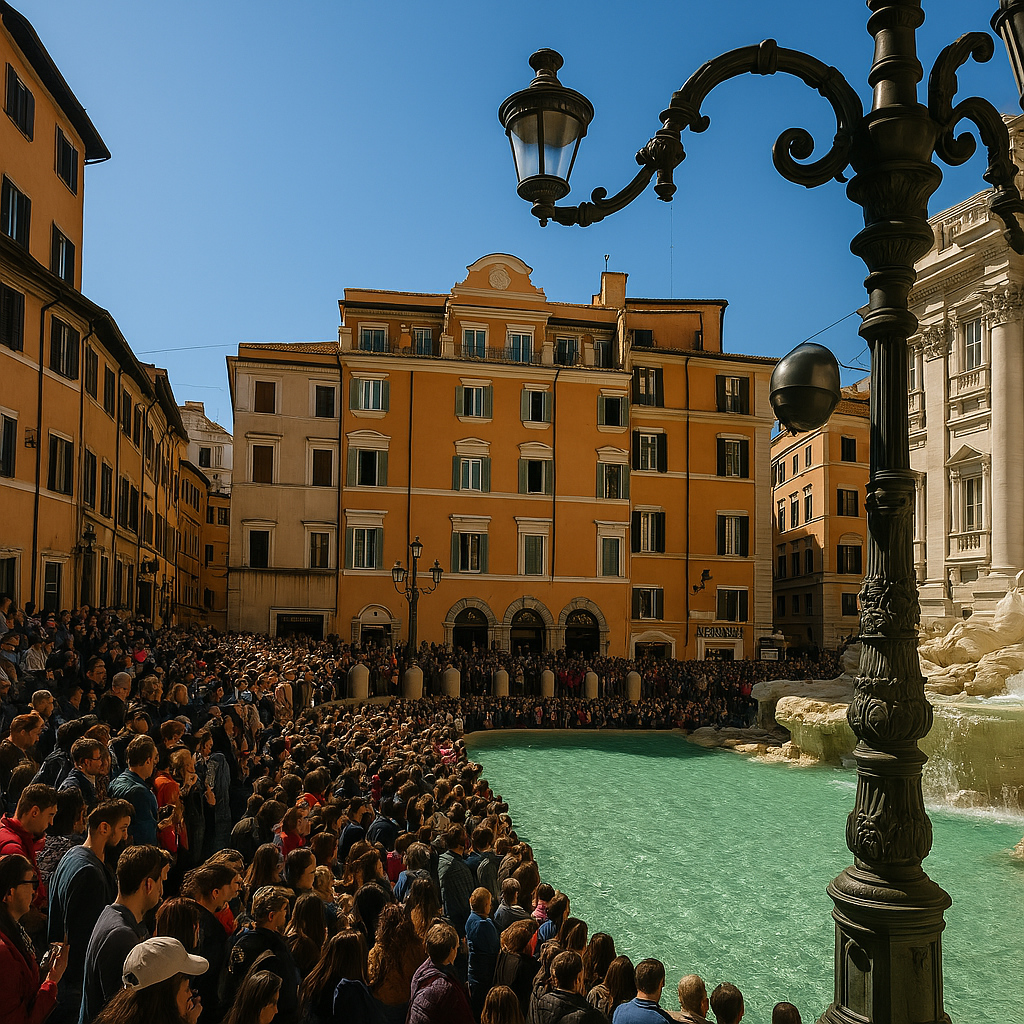
Rome’s most iconic fountain now has a structured queuing system. Here’s everything to plan your visit — including the best times to beat the crowds.

Trevi Fountain restoration, November 2024
November 2024 — during restoration
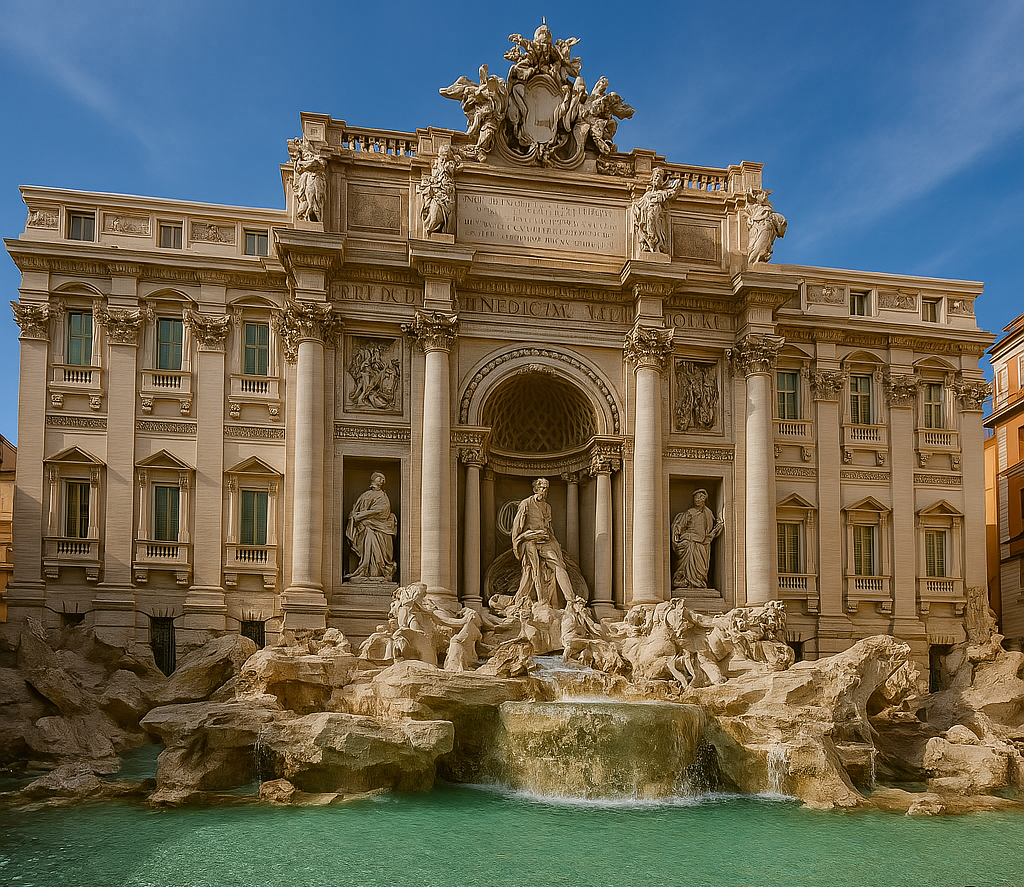
Trevi Fountain front view
Front view of the fountain

Navigating the Queue System

Officials have introduced a structured system to enhance visitor experience, especially ahead of the Jubilee. Entry is capped and timed — plan accordingly.

Entry Hours
9 am – 9 pm
Last entry at 8:30 pm
Capacity Limit
400 visitors
At any one time
Mondays & Fridays: Closed until noon for coin collection.
Every other Monday: Opens at 2 pm for cleaning.

See the Fountain

Best Times to Visit

After 9:30 pm

Late Night Magic

The queue system isn’t regulated after 9 pm — visiting at 9:30 pm or later means far fewer crowds. The fountain is beautifully illuminated at night.

12:30 pm

Midday Pause

A surprisingly good window — most tourists head to lunch, giving you a brief quieter stretch during the day.

Avoid

Monday & Friday Mornings

The fountain is closed until noon on these days for coin collection and cleaning. Plan around it.

Where to Line Up

Enter via the central staircase and exit through the gate on the left, facing Via dei Crociferi.
There’s no time limit once inside — stay as long as you like.

No eating or drinking
No sitting on the marble edge


The Equalizer 3


Watch a Trailer

The People of Atrani
The Equalizer 3 Locations Map
Video

Where is the church in Equalizer 3?

The church featured in The Equalizer 3 is Santuario Santa Maria del Bando. Perched high above Atrani on the Amalfi Coast, this hilltop sanctuary offers breathtaking views — but reaching it requires a steep climb that doubles as a glute workout.

Where on the Amalfi Coast was Equalizer 3 filmed?

Atrani, Italy, is the heart of the film’s Amalfi Coast locations. Nestled between Amalfi and San Cosma, this seaside commune provides a picturesque backdrop that perfectly complements the movie’s atmosphere. For the best views, head up to Torre dello Ziro, Veliero del Belvedere, or Santuario Santa Maria del Bando.

Atrani: A Hidden Gem with a Rich History

Nestled along the Amalfi Coast, Atrani is Italy’s smallest municipality — but its history is anything but small.

Tourism & Culture

From Ancient Settlements to the Duchy of Amalfi

Atrani’s origins trace back to Greek and Etruscan influences. By the 6th century, it became part of the Duchy of Amalfi, serving as a residential enclave for aristocrats.

One of its most important landmarks is the Church of San Salvatore de Birecto, where Amalfi’s dukes were crowned and buried.

Pirates, Power Shifts, and the 18th‑Century Boom

Atrani endured raids by Pisa in 1135 and 1137, followed by centuries of influence from Normans, Swabians, Angevins, and Spanish rulers. Under Bourbon rule in the 18th century, the town thrived with paper mills, textiles, and pasta production.

Atrani Today

Modern Atrani remains a peaceful coastal retreat with whitewashed houses, hidden alleys, and a timeless medieval charm.


Torre dello Ziro: A Historic Watchtower with a Dark Legend

Torre dello Ziro is a 15th‑century watchtower overlooking Atrani, Amalfi, and the Gulf of Salerno. It once guarded the coast from pirate invasions.

Legend says Giovanna d’Aragona, Duchess of Amalfi, was imprisoned and executed here — a story that inspired The Duchess of Malfi.

The 45‑minute hike from Pontone offers lush scenery and stunning views, especially during golden hour.


Veliero del Belvedere: A Hidden Gem with Stunning Coastal Views

Located in Scala, this observation deck offers sweeping views of the Amalfi Coast’s cliffs, villages, and azure waters.

It’s a peaceful escape ideal for photography, quiet reflection, or watching the sunset paint the sky.

Church of San Salvatore de Birecto: A Historic Jewel of Atrani

Dating back to 940, this church played a central role in the Maritime Republic of Amalfi as the coronation and burial site of its dukes.

Architectural Significance

The church features a three‑nave structure, a Baroque façade with Ionic pilasters, and a bronze door from 1076 with 24 detailed panels.

Cultural & Religious Importance

Atrani celebrates the Byzantine New Year here each September 1st. Inside are marble artifacts including a 12th‑century pluteus with symbolic carvings.

Visiting the Church

Recently restored, the church is open during liturgical celebrations or by arrangement — a must‑see for history lovers.

United Kingdom – eVisa Requirements

Important change for travelers planning to visit or transit through the United Kingdom.
Starting January 8, 2024, all travelers from visa-exempt countries, including the United States, Canada, and many others, will need to apply for an Electronic Travel Authorization (ETA) before their trip.
image placeholder Important change for travelers planning to visit or transit through the United Kingdom. Starting January 8, 2024, all travelers from visa-exempt countries, including the United States, Canada, and many others, will need to apply for an Electronic Travel Authorization (ETA) before their trip.

What is the ETA (Electronic Travel Authorization)? The UK ETA is a digital authorization linked to your passport. It costs £10 (about $13) and is valid for two years. The ETA allows you to make multiple trips to the UK during that period.
Who Needs an ETA? If you are from a visa-exempt country (such as the U.S. or Canada), you’ll need an ETA for short-term visits (under six months). This includes travelers connecting through UK airports, even if you’re continuing to another destination.

How to Apply: You can apply online or via the ETA app. You will need your passport, a photo, and payment details (credit/debit card, Apple Pay, or Google Pay). The application process is straightforward and typically takes only a few minutes.  

We recommend applying for your ETA as soon as possible to ensure a smooth journey to the UK. Click here for more information. Facebook icon Instagram icon X icon YouTube icon LinkedIn icon

Republic of San Marino

Visting the Republic of San Marino

Discovering San Marino: A Hidden Gem in Europe

Nestled in the heart of Italy, the Republic of San Marino is one of the world’s oldest and smallest countries. Despite its size, San Marino offers a wealth of history, culture, and stunning landscapes that make it a must-visit destination for travelers seeking a unique European experience.

A Glimpse into History

San Marino boasts a rich history that dates back to 301 AD, making it one of the oldest republics in the world. According to legend, the country was founded by Saint Marinus, a stonemason who sought refuge on Mount Titano to escape persecution. Today, San Marino’s historical significance is evident in its well-preserved medieval architecture and ancient fortifications.

Exploring the Capital: City of San Marino

The capital city, also named San Marino, is a charming hilltop town that offers breathtaking views of the surrounding countryside. As you wander through its narrow cobblestone streets, you’ll encounter a variety of historical landmarks, including:

  • The Three Towers: These iconic towers—Guaita, Cesta, and Montale—are perched atop Mount Titano and offer panoramic views of the region. Each tower has its own unique history and serves as a symbol of San Marino’s independence.
  • Piazza della Libertà: This bustling square is home to the Palazzo Pubblico, the seat of the government. The square is a great place to relax and people-watch while enjoying a coffee at one of the nearby cafes.
  • Basilica di San Marino: This neoclassical basilica is dedicated to Saint Marinus and houses his relics. The basilica’s elegant architecture and serene atmosphere make it a must-visit site.

Cultural Experiences

San Marino is not just about history; it also offers a vibrant cultural scene. The country hosts various festivals and events throughout the year, including:

  • Medieval Days: Held in July, this festival transports visitors back in time with medieval reenactments, parades, and traditional music and dance.
  • San Marino International Music Festival: This annual event features performances by renowned musicians from around the world, showcasing a diverse range of musical genres.

Outdoor Adventures

For nature enthusiasts, San Marino offers plenty of outdoor activities. The country’s mountainous terrain is perfect for hiking, with numerous trails that provide stunning views of the landscape. One popular route is the San Marino Nature Trail, which takes you through lush forests and past ancient ruins.

Shopping and Dining

San Marino is also a shopper’s paradise, with a variety of boutiques and shops offering everything from local crafts to high-end fashion. Don’t forget to explore the duty-free stores, where you can find great deals on perfumes, jewelry, and electronics.

When it comes to dining, San Marino boasts a range of culinary delights. Be sure to try local specialties such as piadina (a type of flatbread) and torta tre monti (a layered wafer cake). The country’s restaurants and cafes offer a mix of traditional Sammarinese cuisine and Italian dishes, ensuring a delightful gastronomic experience.

Practical Tips

  • Getting There: San Marino is easily accessible from Italy. The nearest major city is Rimini, which has a train station and an airport. From Rimini, you can take a bus or drive to San Marino.
  • Currency: San Marino uses the Euro (€) as its official currency.
  • Language: Italian is the official language, but English is widely spoken in tourist areas.

San Marino may be small, but it packs a punch when it comes to offering a memorable travel experience. Whether you’re a history buff, a nature lover, or a foodie, this enchanting republic has something for everyone. So, why not add San Marino to your travel bucket list and discover its hidden treasures for yourself?


I hope this captures the essence of visiting San Marino!

Italy | Rome | Christmas 2024 Events

Christmas Tree Lightings in Rome, Italy 2024

Rome, the Eternal City, transforms into a magical wonderland during the Christmas season. The city is adorned with beautiful lights, festive decorations, and, of course, stunning Christmas trees. Here are the key dates for the Christmas tree lightings in Rome for 2024:

Vatican Christmas Tree Lighting

  • Date: December 7, 2024
  • Time: 6:30 PM
  • Location: St. Peter’s Square, Vatican City
    The Vatican Christmas tree lighting is a significant event, symbolizing unity and hope. This year’s tree will be accompanied by a Nativity scene inspired by the lagoon town of Grado.

Piazza Venezia Christmas Tree Lighting

  • Date: November 29, 2024
  • Location: Piazza del Popolo (due to construction at Piazza Venezia)
    The tree lighting at Piazza Venezia is a beloved tradition, but this year it will take place at Piazza del Popolo.

Other Notable Christmas Events

  • Piazza Navona Christmas Market: From December 1, 2024, to January 6, 2025, this historic square transforms into a vibrant market filled with festive stalls and decorations.
  • Christmas World at Villa Borghese: Starting November 30, 2024, this immersive Christmas village features light displays, cultural exhibits, and a skating rink.
  • Piazza di Spagna/Spanish Steps: A small Christmas Market and nativity scene set up at the bottom of the Spanish Steps.
  • Piazza Mazzini:  A vintage/antique market in Piazza Mazzini in Prati which throughout December turns into a fairly large Christmas Fair where you will find gifts, crafts, food, Christmas decorations and more, Some of the stalls previously found in Piazza Navonna will be set up here.
  • Laghetto dell’Eur Christmas Village: Set around the enchanting Laghetto dell’EUR, an artificial lake competed for the 1960 Rome Olympics. The market showcases more than 100 exhibitors and their artisanal crafts, delicious food, and a picturesque ice-skating rink.
  • Cinecittà World’s Christmas Village
    From November 9, 2024, to January 6, 2025, the famous film-themed park offers a holiday transformation, complete with seasonal attractions and family-friendly activities.

Rome’s Christmas tree lightings and festive events offer a unique blend of tradition, beauty, and holiday cheer. Whether you’re a local or a visitor, these events are sure to fill your heart with the spirit of the season.

Happy holidays! 🎄✨

Viator Bookings

I will book any Viator bookings that you choose, or you may book Viator activities through my bookable links. Please make sure that the webpage you are booking from displays the logo on the right. (Bookable Link)

I prefer that you text or email a request to me to make a “Direct Booking” into Viator’s Agent application. This allows me to manage the trip on your behalf, saving you time and effort, especially while traveling.

Trip Folder

For most trips, I will create a “Trip Folder” that I will share as Microsoft link with you. Please access it from a computer and print out the documents a few days prior to departure. Also, make sure you can open it on the device that you will have on your trip.

If you prefer, I can create your folder as a Google Drive Folder, or Dropbox Folder. Just let me know what works best for you. If you don’t have access to a printer, let me know and I will print and send you your documents.

Adding a Booking to Your Viator App

To add a Viator booking made through an agent to the Viator app, log in to your Viator app account, navigate to “My Bookings,” and then enter the booking reference number provided by your agent; you may also receive a confirmation email with a link to add the booking directly to your app. 

Key steps:

  • Access your Viator app: Open the Viator app and log in to your account. 
  • Go to “My Bookings”: Find the “My Bookings” section within the app. 
  • Enter booking details: Paste the booking reference number given by your agent. 
  • Confirm booking: The app should automatically pull up the booking details, allowing you to verify and access your itinerary. 

Important points to remember:

  • Agent confirmation: Always ensure you print out the booking confirmation I send with the necessary details like the booking reference number. 
  • Contact support if needed: If you encounter issues adding the booking, contact Viator customer support for assistance. 

Viator Payments and Tickets

When booking with Viator at least two weeks prior to an activity, you may be offered an option to Reserve Now – Pay Later. The following applies:

  • You will receive a confirmation email, but no tickets.
  • There will be a $1.00 credit card authorization charge.
  • Your card on file with be charged two days prior to the start of the experience.
    • Three days prior to the automatic charge, you will receive a reminder email.
      • You can update the card on file if you want to use a different card.
      • You can “Pay Now” and have access to your tickets.
  • Two days prior to the start of the experience, your payment will be made.

Some Viator products may not be available as Reserve Now – Pay Later.

Check the booking details when booking and before making payments as occasionally there may be added conditions.

Jotform Secure Forms

  • Data encryption is the process of encoding data. Once data is encrypted, it can only be read after it’s been decrypted. This process is used to protect information both when it’s transferred between a browser and a server and when it’s being stored. Data encryption is particularly useful for sensitive information that needs an additional layer of security.
  • An encrypted form involves a password or key that the form owner uses to encrypt and decrypt data — adding an extra layer of security and ensuring that form submissions can only be viewed and accessed by the form owner themselves. Even the company processing the form data (in this case, Jotform) can’t access the encrypted data.
  • Jotform Encrypted Forms 2.0 uses end-to-end data encryption and Web Crypto API to keep form data protected. Encrypted Forms 2.0 uses a unique encryption password for each and every form. Switching to this method gives every form owner a unique way to access encrypted submissions, helping to boost the security level.
  • End-to-end encryption (E2EE) is a method of data protection that encrypts data from the moment it’s created and keeps it encrypted as it’s transferred from one place to another. Data protected by E2EE can be decrypted only by the person with the encryption password. In the case of online forms that have end-to-end encryption enabled, each form submission’s data is encrypted as soon as it’s submitted and can be decrypted only by the form owner. Making the data unreadable to anyone other than the password holder adds an additional layer of security and prevents data from being viewed or accessed by the internet service provider, the platform hosting the data, hackers, or any other third-party individual or organization. Encrypted Forms 2.0 keeps your data safe

Source: Encrypted Forms | Jotform